


At a Glance
Learn the best practices for hybrid and virtual event marketing to boost attendance, engagement, and ROI. This guide covers pre-event promotion, live engagement strategies, technology tips, and post-event follow-up to ensure your events succeed.
Hybrid and virtual events have become essential tools for businesses looking to connect with audiences beyond physical limitations. These events offer the flexibility of online participation while expanding reach and engagement opportunities. However, successfully marketing hybrid or virtual events requires a thoughtful strategy to ensure attendance, interaction, and overall impact.
This guide outlines best practices for hybrid and virtual event marketing, from pre-event planning to post-event follow-up, helping your team maximize results and engagement.
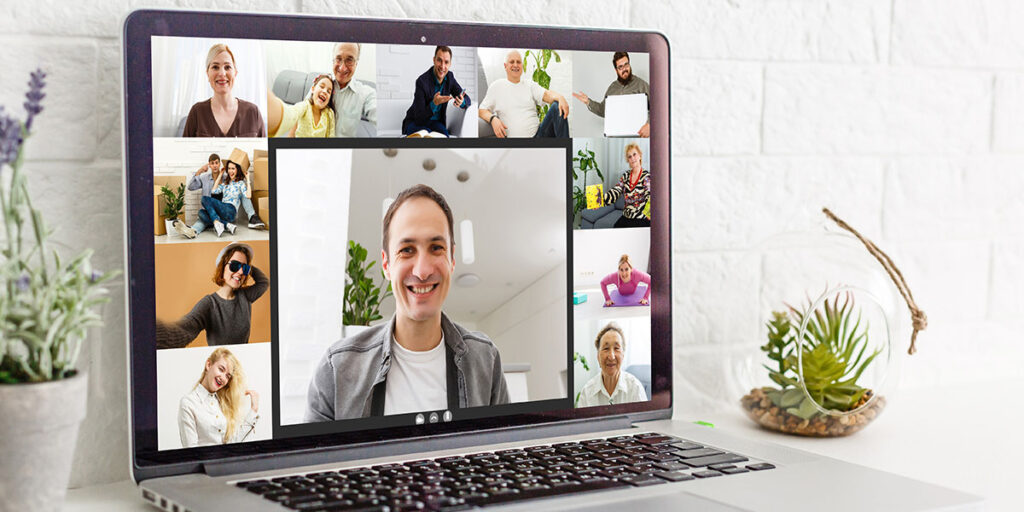
Understanding Hybrid and Virtual Events
Before diving into marketing strategies, it’s important to distinguish between hybrid and virtual events. Hybrid events combine in-person and online participation, allowing attendees to choose how they engage. Fully virtual events occur entirely online, relying on digital platforms for streaming, interaction, and networking.
Marketing for both formats requires clear communication, strategic promotion, and attention to engagement. Unlike traditional events, hybrid and virtual events demand digital-first approaches to ensure attendees understand the value and are motivated to register and participate.
Pre-Event Marketing Best Practices
Effective promotion begins well before the event date. Implementing these strategies can help generate excitement and encourage registration:
- Craft Clear Messaging: Clearly communicate the purpose, benefits, and unique value of your event. Highlight what attendees will learn, experience, or gain by participating.
- Create Landing Pages and Registration Forms: A dedicated landing page improves user experience and provides a central hub for event information and registration. Include easy-to-use forms with clear calls-to-action.
- Targeted Email Campaigns: Use email marketing to reach past attendees, existing contacts, and potential leads. Segment your audience to deliver personalized invitations that resonate with each group.
- Social Media Promotion: Leverage platforms like LinkedIn, Instagram, Facebook, and X (Twitter) to build awareness, share updates, and encourage shares. Engaging visuals and teaser content can increase excitement.
- Early-Bird Registration and Reminders: Offer early registration perks and schedule multiple reminder emails or posts to keep your audience engaged and ensure they don’t forget to attend.
Content and Engagement Strategies
Creating compelling content and interactive experiences keeps attendees engaged during hybrid and virtual events:
- Interactive Sessions: Include polls, live Q&A sessions, and breakout discussions to foster engagement. Interactive content encourages participation and makes the event more memorable.
- Pre-Event Materials: Provide resources, guides, or previews to prepare attendees and increase anticipation.
- Networking Opportunities: Facilitate connections between virtual attendees using chat features, networking sessions, or community groups.
- Consistent Branding: Use cohesive visuals, graphics, and messaging across all digital touchpoints, including emails, social media, and the event platform, to reinforce your brand.
Technology and Platform Considerations
Selecting the right technology is crucial to ensure a seamless experience:
- Reliable Platforms: Choose streaming and event platforms that can handle your audience size and provide interactive features. Examples include Zoom, Hopin, and Microsoft Teams.
- Accessibility: Ensure content is accessible across devices and regions, including mobile optimization and clear navigation.
- Technical Testing: Run test sessions to identify and resolve potential issues with video, audio, registration forms, or platform integration before the live event.

During the Event
Maximizing engagement during the event ensures attendees stay connected and benefit from the content:
- Real-Time Updates: Use social media and event apps to provide updates, share resources, and highlight sessions.
- Monitor Participation: Track attendee engagement and adjust sessions or content flow as needed to maintain interest.
- Record Sessions: Capture live sessions for on-demand viewing. Recorded content extends your reach and adds long-term value.
Post-Event Follow-Up
The work doesn’t end when the event is over. Follow-up is key to building relationships and measuring success:
- Recap Emails and Thank-You Messages: Show appreciation for attendance and reinforce key messages from the event.
- Share Recordings and Resources: Provide access to session recordings, slides, or additional materials to extend engagement.
- Collect Feedback: Use surveys to gain insights on attendee experience and identify opportunities for improvement.
- Analyze Metrics: Review registration, attendance, engagement, and conversion data to assess ROI and optimize future events.
Conclusion
Hybrid and virtual events require thoughtful planning, strategic promotion, and engaging content to succeed. By implementing these best practices—covering pre-event marketing, live engagement, technology selection, and post-event follow-up—your team can maximize attendance, boost engagement, and achieve measurable results.
A well-executed hybrid or virtual event strengthens your brand, expands your reach, and delivers value to your audience, all while providing insights for continuous improvement.
FAQ – Best Practices for Hybrid and Virtual Event Marketing
What is the difference between hybrid and virtual events?
Hybrid events combine in-person and online participation, while virtual events occur entirely online. Both require digital marketing strategies to reach and engage audiences effectively.
How can I promote a hybrid or virtual event effectively?
Use targeted email campaigns, social media promotion, dedicated landing pages, early-bird registration incentives, and clear messaging to generate awareness and encourage registrations.
What are some ways to keep virtual attendees engaged during an event?
Incorporate interactive elements like polls, Q&A sessions, live chats, networking opportunities, and downloadable resources to maintain interest and participation.
Which platforms work best for hybrid and virtual events?
Reliable streaming and event platforms like Zoom, Hopin, and Microsoft Teams are ideal. Ensure they support interactive features, accessibility, and large audiences.
Why is post-event follow-up important?
Following up with recap emails, sharing recordings, collecting feedback, and analyzing engagement metrics extends the value of your event and informs improvements for future events.
How can small marketing teams manage hybrid or virtual events efficiently?
Plan early, use technology to automate registration and reminders, delegate content creation, and consider fractional marketing support to handle promotion and engagement tasks.
What metrics should I track for hybrid and virtual event success?
Track registrations, attendance, engagement rates, session participation, click-throughs on resources, and conversions to measure ROI and improve future events.