

Updated October 2026
Key takeaways
- Most small businesses do best with four to five welcome emails sent over about ten days.
- Give value before you ask for anything, and make only one clear ask at the end.
- If you email people in Canada, CASL applies: get consent, identify yourself, and include a working unsubscribe link.
Someone signs up for your email list. At that moment they are as interested in your business as they will ever be. They chose to hear from you, they are probably looking at their inbox right now, and they are waiting to see what you do next.
Most small businesses do very little with that moment. A generic confirmation goes out, or nothing does, and the next message arrives weeks later as part of a regular newsletter. By then the interest has cooled.
A welcome email sequence fixes that. This guide gives you a five-email structure you can copy, sample subject lines, a worked example for a local business, and the CASL rules Canadian businesses need to follow.
What a Welcome Email Sequence Is
A welcome email sequence is a set of automated emails triggered when someone joins your list. Each email has one job. Together they take a new subscriber from “I just signed up” to “I know what this business does and I trust it.”
You write the sequence once. Your email platform sends it on schedule to everyone who subscribes, whether that is one person this week or fifty. Every major email platform supports this.
Welcome Email Series, Flow or Journey: Same Idea, Different Names
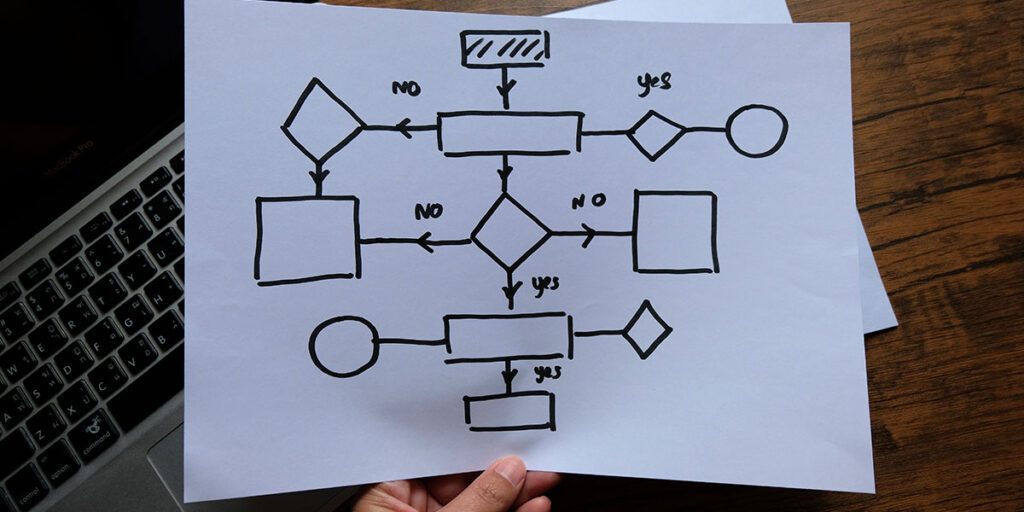
You will see this called a welcome email series, a welcome email flow, or a welcome email journey. Klaviyo says flow, Mailchimp says customer journey, and plenty of marketers just say series. The idea is the same in each case: a planned set of emails, triggered by signup, that introduces your business. Whatever your platform calls it, the structure below applies.
Why a Sequence Beats a Single Welcome Email
A single welcome email has to do everything. It has to deliver what you promised, introduce your business, and make an ask. That is too much for one message.
Spreading the job across several emails lets you build trust in stages, and each email can stay short and focused. Welcome emails also tend to be opened more than regular newsletters, because the subscriber has just asked to hear from you. Benchmarks vary by industry and platform, so check the latest report from your email provider rather than relying on a figure quoted in a blog post.
The 5-Email Welcome Sequence Structure
For most small businesses, four to five emails over about ten days is the right length. Here is the timing and the job of each email.
| Send | Its job | |
| 1 | Immediately | Deliver what you promised |
| 2 | Day 2 | Tell your story, briefly |
| 3 | Day 4 | Give something useful |
| 4 | Day 7 | Show proof |
| 5 | Day 10 | Make one clear invitation |
Treat the timing as a starting point. If your subscribers need longer to decide, stretch it out.
Email 1: Deliver What You Promised, Immediately
Send this the moment someone subscribes. Put the thing they signed up for (the guide, checklist, discount or first issue) in the first lines, so they do not have to hunt for it. Then introduce yourself in a sentence or two and tell them what to expect: what you will send and roughly how often.
Sample subject lines: “Your [guide name] is inside” or “Welcome, and here is your [offer]”
Email 2: Tell Your Story, Briefly
Explain why your business exists. A specific, honest account works better than a long company history. Aim for 150 to 250 words: what you noticed, what you decided to do about it, and who you do it for.
Sample subject lines: “Why we started [business name]” or “The reason we do this work”
Email 3: Provide Genuine Value
Give them something useful with no sales pitch attached. It could be a tip they can use this week, a common mistake and how to avoid it, or a short answer to a question your customers ask all the time. This email shows the subscription was worth it.
Sample subject lines: “One thing you can do this week” or “A quick fix for [common problem]”
Email 4: Share Evidence and Social Proof
Show that you deliver. Use a client result, a short testimonial or a mini case study. Specific details beat general praise: what the problem was, what changed, and how the client describes it.
Sample subject lines: “How [client] solved [problem]” or “What [client] said after working with us”
Email 5: Make a Clear, Specific Invitation
Ask for one thing, and make it easy to say yes to. Book a call, reply with a question, or start a trial. Avoid vague closers like “let us know if we can help.” By now the subscriber has received value, a story and proof, so a direct invitation feels earned.
Sample subject lines: “Want help with [problem]?” or “Ready to talk about [goal]?”
An Example: A Hamilton Bookkeeping Practice
Here is how the structure could look for a local business. This is a hypothetical example for illustration. The subscriber signed up to get a free year-end checklist.
| Send | Subject line | What it does | |
| 1 | Immediately | Your year-end checklist is inside | Delivers the checklist, introduces the owner, says to expect two emails this week and then one a month |
| 2 | Day 2 | Why I started this practice | Short founder story about wanting to work directly with local owners instead of in a large firm |
| 3 | Day 4 | The receipts owners lose track of | One useful tip on keeping records, no pitch |
| 4 | Day 7 | How a Hamilton restaurant tidied its books before tax season | Short client story, used with permission |
| 5 | Day 10 | Want a second set of eyes on your books? | Invites the subscriber to book a call to review their setup |
Notice that only the last email asks for anything. The first four earn the right to ask.
Principles That Make a Welcome Sequence Convert
Write Like You Are Talking to One Person
Use “you,” keep sentences short, and write the way you would explain things across a table. Broadcast-style copy reads like a flyer.
Keep Each Email Focused
One purpose, one main link, one next step. If an email is trying to do three things, split it.
Match Your Send Frequency to the Value You Are Giving
There is no perfect schedule. Space emails closer together when each one delivers something useful, and give people room when they do not.
Make the Final Invitation Match the Relationship You Have Built
A strong ask after four helpful emails is fine. A strong ask in the second email is not. Scale the request to the trust you have earned.
Review and Refine Based on Real Performance
After a few weeks, look at opens, clicks and replies for each email. Rewrite the weakest one first. A sequence is never finished, but it should keep getting better.
Common Mistakes That Undermine a Welcome Sequence
- Only polishing the first email. The later emails are where trust builds, and many businesses never write them.
- Asking before giving. A sales pitch in email 1 or 2 tells new subscribers they have joined a sales list.
- Making it too long. Ten emails in two weeks wears people out. Start with five.
- Not setting expectations. If people do not know what is coming, the next email feels like a surprise rather than a continuation.
CASL: What Canadian Businesses Need to Include
If you send commercial emails to people in Canada, Canada’s Anti-Spam Legislation (CASL) applies. In practice that means three things:
- Consent. Subscribers should have actively opted in, for example by submitting your signup form or ticking a box that was not pre-checked. Keep a record of when and how each person signed up.
- Identification. Every email should include your business name, a valid mailing address, and a way to contact you, such as an email address or website.
- Unsubscribe. Include an unsubscribe link that works, and act on requests promptly. The law allows up to 10 business days.
Most platforms add the address and unsubscribe link automatically, but check your template to be sure. Treat your welcome emails as covered by CASL. This is general information, not legal advice, so read the Government of Canada’s CASL guidance or ask a lawyer if you are unsure.
Setting This Up in Your Email Platform
Each platform works the same way: a trigger (someone subscribes), followed by a series of timed emails.
- Mailchimp: Customer Journeys, or classic Automations
- Kit (formerly ConvertKit): Visual Automations or Sequences
- HubSpot: Workflows
- Klaviyo: Flows
Build the five emails first in a document, then add them to your platform one at a time and send yourself a test. Check that the first email arrives immediately and that the delays between emails are what you intended.
Frequently Asked Questions
How many emails should a welcome email sequence have?
Four to five emails works for most small businesses, sent over one to two weeks. A shorter sequence suits a simple offer. A longer one can suit services that take more time to consider.
How long should I wait between welcome emails?
Send the first one immediately. After that, space the next few emails two to three days apart, then stretch to about a week. Adjust based on how your subscribers respond.
What should the first welcome email say?
Deliver what you promised in the first lines, introduce yourself in a sentence or two, and say what subscribers will receive and how often. Save the sales pitch for later.
Is a welcome email sequence worth it for a small business?
Yes. You write it once and it runs on its own, so even a small list benefits: every new subscriber gets a considered introduction instead of a generic confirmation.
Do welcome emails need to follow CASL?
Treat them as covered. Include your business name, mailing address and a working unsubscribe link, and keep a record of how each person consented.
When Building This Yourself Feels Like One More Thing on the List
Writing a sequence takes time most owners do not have. If you would rather hand it off, our email marketing services cover strategy, writing, setup and reporting. Related reading: why your email list is your most valuable marketing asset and what your email open rates actually mean. You can also see how we work in our retainer packages and à la carte services.
Book a free discovery call if you would like help building a welcome email sequence that turns new subscribers into customers.
Kairi Marketing provides email marketing services, content creation, social media management, and fractional marketing services to small businesses and growing organizations across Ontario. Explore our retainer packages and à la carte services to find the right level of support for where you are right now.